Target-Free Domain Adaptation through Cross-Adaptation
A target-free domain adaptation method that lets machine learning models generalize across datasets from different sources without requiring labeled examples from the target domain.
Overview
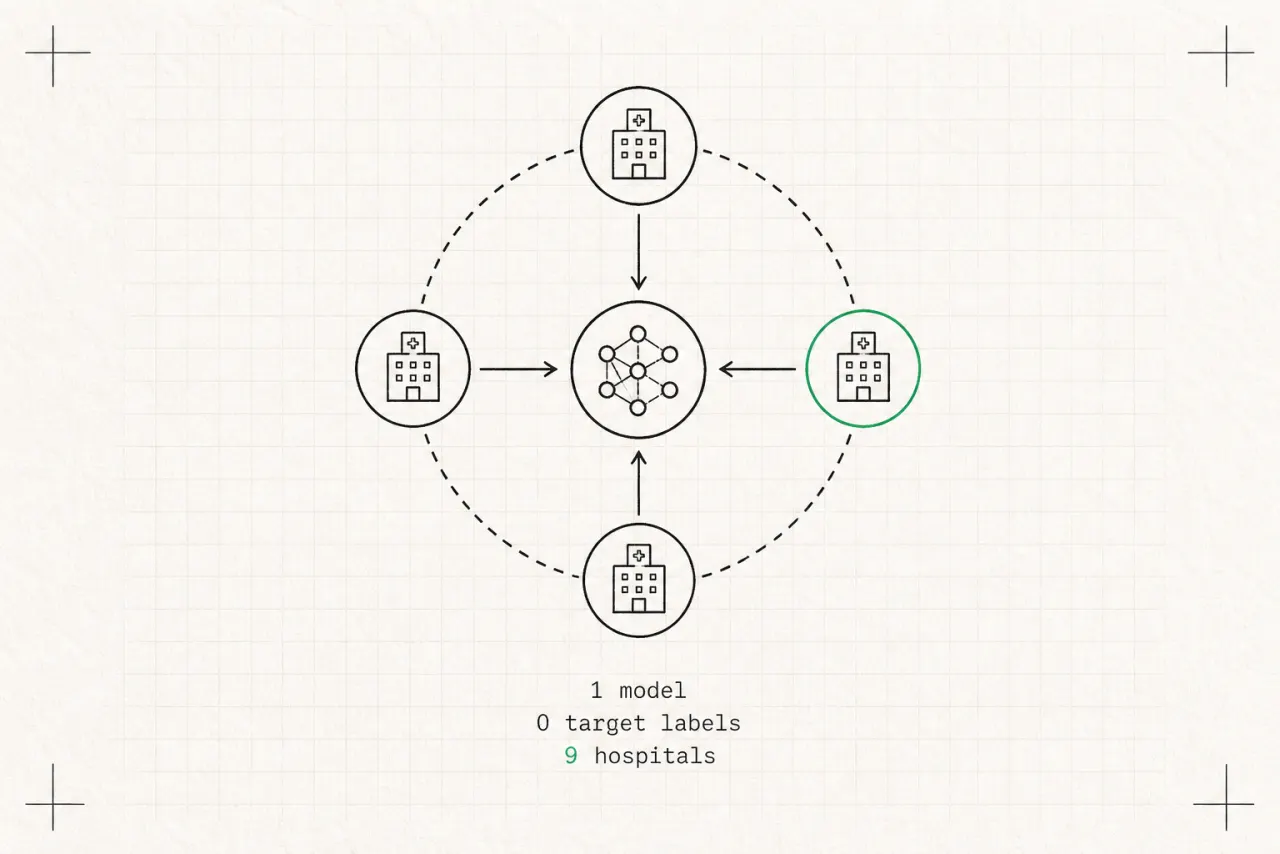
We introduce a new approach to domain adaptation called cross-adaptation, which enables machine learning models to generalize across datasets from different sources without requiring labeled examples from the target domain. We validate the method on nine datasets for SARS-CoV-2 detection from complete blood count (CBC) data collected from hospitals around the world.
Motivation
Machine learning models in healthcare often fail to generalize beyond the data source they were trained on; datasets from different hospitals can have distinct population characteristics, and this dataset bias severely limits clinical deployment. Existing domain adaptation techniques typically assume access to some (often labeled) data from the target domain, which is frequently unavailable due to privacy, regulatory, or logistical constraints. Our goal was a target-free adaptation method that overcomes these limitations.
Method
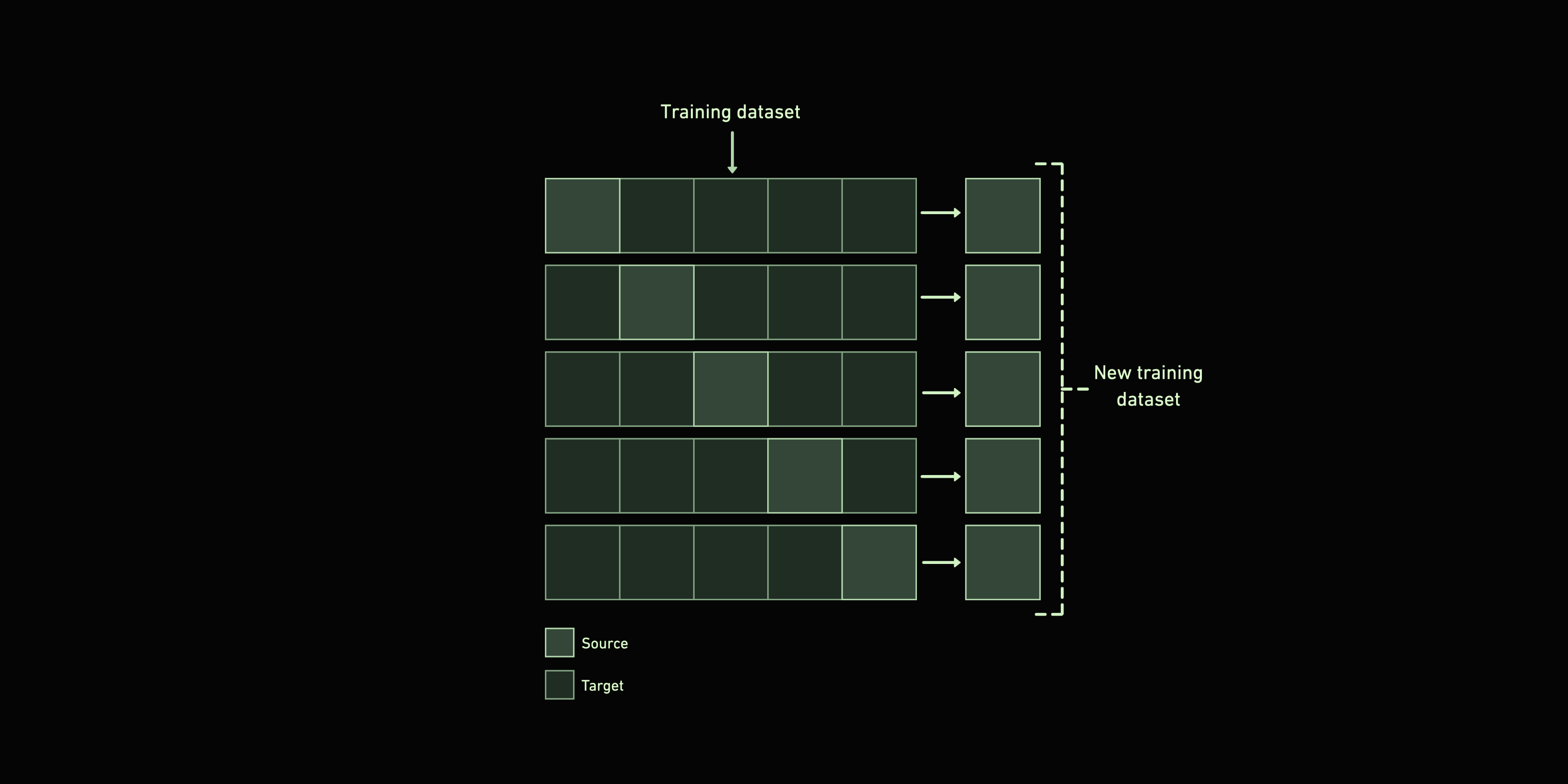
Cross-adaptation performs domain adaptation iteratively across multiple available datasets. For each dataset, it is treated as the source while all remaining datasets serve as targets; a chosen domain adaptation algorithm transforms the source relative to the targets. The transformed datasets are then concatenated to train a final model that generalizes to unseen domains. The process is algorithmically independent — any adaptation method (e.g., KMM, KLIEP, or TrAdaBoost) can be plugged in.
Experiments
We evaluated cross-adaptation on COVID-19 detection from CBC tests using nine datasets — eight public and one private (Cabitza et al., 2021) — totaling 4,870 records from hospitals in Brazil, Italy, Poland, Ethiopia, and Spain. Ten CBC features served as model inputs, demonstrating robust generalization to held-out domains without target labels.
Zobacz także
UMIE Datasets
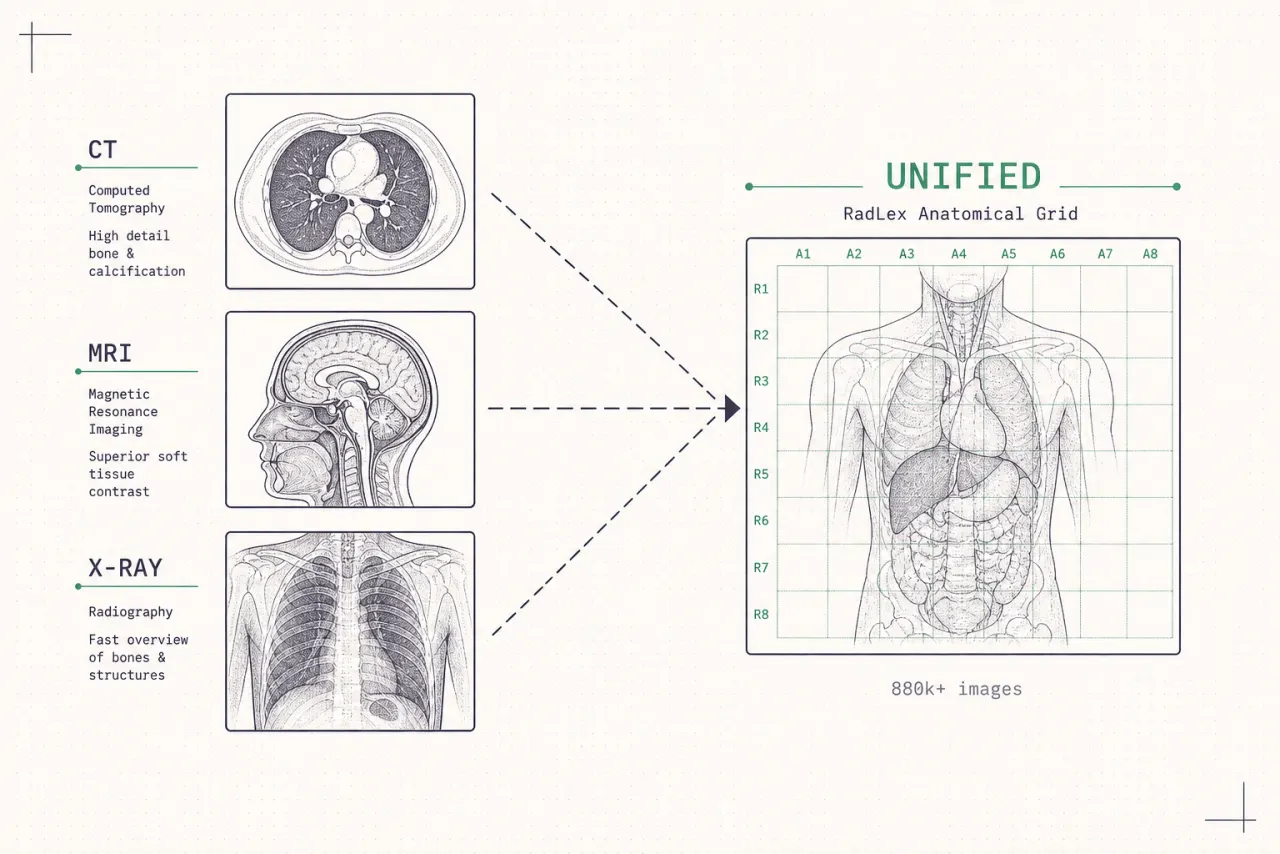
Open-source pipelines that standardize 880k+ images across 20+ medical imaging datasets (CT, MRI, X-ray) into a unified format with RadLex-compliant labels.
Zobacz projekt →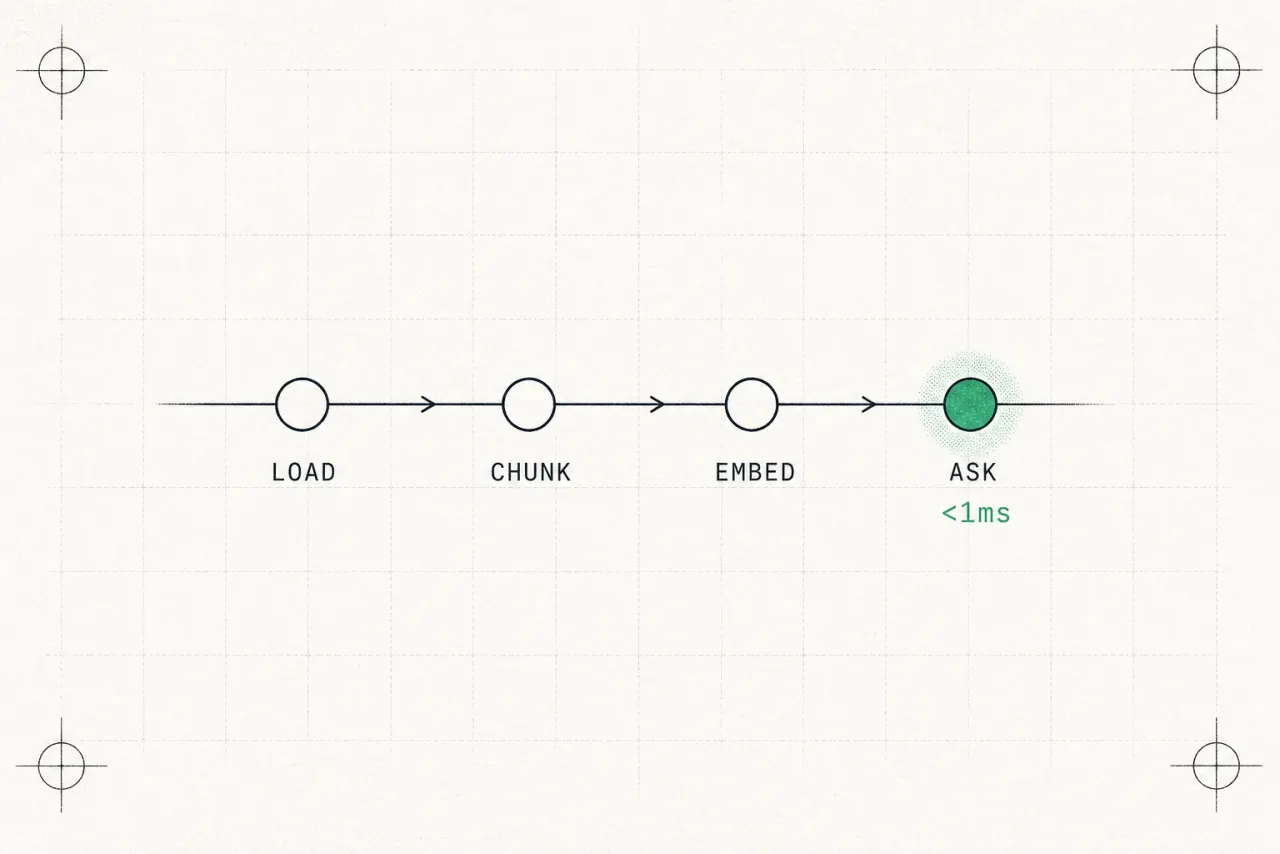
RocketRAG
A speed-focused Retrieval-Augmented Generation framework packaging document ingestion, semantic chunking, vector storage, and LLM inference into a pluggable CLI and FastAPI toolkit.
Zobacz projekt →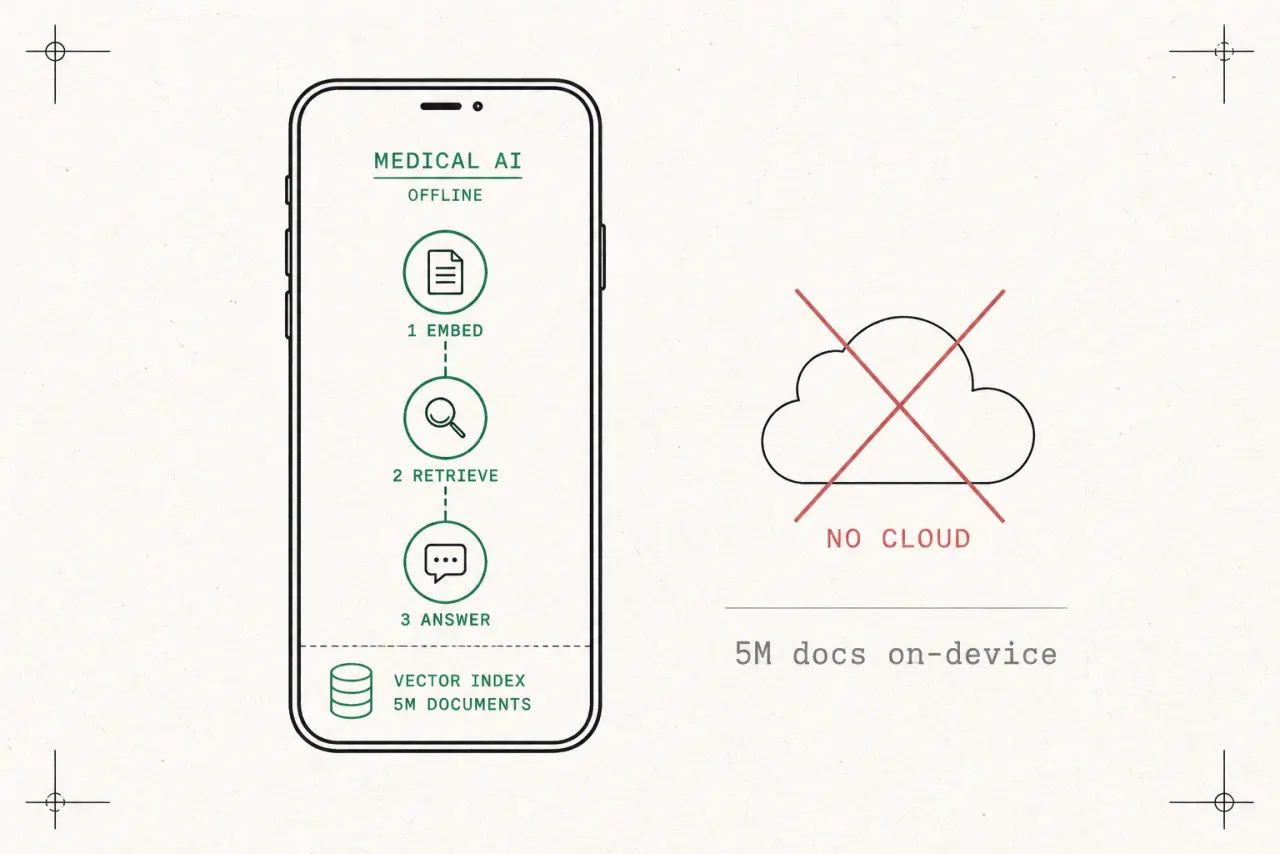
LOMA — Offline Medical AI Assistant
A zero-cloud mobile medical assistant that runs the full pipeline — embeddings, retrieval, and language model responses — entirely on the user's phone.
Zobacz projekt →